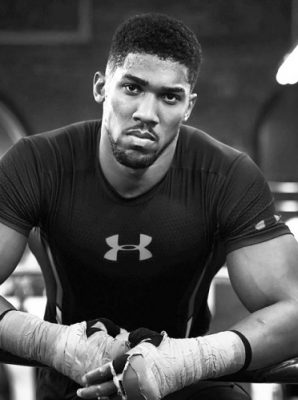



Understanding Boxing Line Movements: When to Bet Early vs. Late
Boxing Line Movements: In the world of sports betting, timing isn’t just an important factor—it is often the deciding factor between a profitable night and a losing one. This is especially true in boxing, a sport where events are spaced out over months, giving oddsmakers, syndicates, and casual fans weeks to dissect a single matchup.
If you are only logging into your betting app an hour before the main event ringwalks, you are playing a losing game. By that time, the market has matured, the value has been squeezed out, and you are punting on a price dictated by the masses. To truly build a sustainable bankroll betting on the sweet science, you need to understand boxing line movements. Specifically, you must learn the art of timing: when to strike early in the week and when to hold fire until the eleventh hour.
How Boxing Line Movements are Born
Before diving into timing, we must understand how a betting market is born. Unlike team sports like football, where bookmakers rely heavily on deep statistical models, power rankings, and data algorithms, boxing odds are highly qualitative. They are built on styles, common opponents, gym rumors, and perceived public hype.
When an official bout is announced, oddsmakers release an opening price. This initial number is the bookmaker’s purest mathematical estimation of how the fight should be priced, combined with their prediction of how the general public will react.
However, opening lines are rarely perfect. Because boxing lacks the day-to-day data volume of Premier League football or cricket, bookies open limits relatively low to protect themselves. They release a price, step back, and let the market tell them if they got it right. This is where the battle between “sharp money” and “public money” begins.

- Betfred Boxing
- Competitive Odds
- Boxing Specials
- Special Offers
Betfred: New customers only. Register, deposit with Debit Card, and place first bet £10+ at Evens (2.0)+ on Sports within 7 days to get 3 x £10 in Sports Free Bets & 2 x £10 in Acca Free Bets within 10 hours of settlement. 7-day expiry. Eligibility & payment exclusions apply. Full T&Cs apply. BeGambleAware.
Why Sharp Punters Strike Early in Fight Week
“Sharps” are professional bettors who treat the sports betting market like the London Stock Exchange. They do not care about the pageantry, the press conference trash talk, or the emotional narratives surrounding a fighter. They care about one thing: variance between a bookmaker’s price and their own calculated probability.
For sharps, the most lucrative window to bet is the exact moment the opening prices drop—usually early in the fight week or even weeks in advance. They look for that key boxing line movements moment!
Why Sharps Bet Early:
- Exploiting Soft Openers: Because oddsmakers have less data to work with in boxing, opening prices are frequently “soft.” A sharp bettor who understands stylistic matchups might instantly spot an underdog who is severely mispriced.
- Beating the Price Drift: If a sharp calculates that a favorite should be priced at 2/5, but the book opens them at 4/7, they will immediately hammer the 4/7. By doing this, they secure maximum value before the rest of the world wakes up.
- Driving the Market: When syndicates place maximum allowable bets on a soft opening price, bookies immediately react by shortening the odds to mitigate their risk. If you see a fighter shorten from 4/7 to 1/2 within two hours of opening, you are witnessing sharp money at work.
If you want to bet like a sharp, your goal early in the week is to identify the favorites who are priced too generously or the underdogs who have a much better stylistic chance than the opening fraction suggests. Once the sharps take their positions, that value disappears forever.
The Saturday Tsunami: How Public Money Inflates the Odds
As the week progresses, the betting landscape undergoes a massive shift. The influence of professional syndicates wanes, and the casual betting public takes the wheel. This shift accelerates drastically on Friday (after the weigh-ins) and peaks on Saturday night just before the fighters make their ringwalks.
The casual punter behaves entirely differently than sharps. While sharps look for mathematical value, the public bets based on emotion, fame, recency bias, and media hype.
The Habits of Public Money:
- The Heavy Favorite Bias: Casual fans rarely want to root for a loss. They love backing dominant, undefeated champions, even if the price is astronomically short (like 1/10 or 1/20). Consequently, public money almost always floods the favorite on fight night.
- Recency Bias: If a fighter scored a devastating knockout in their last bout, the public remembers it vividly. They will overvalue that performance, ignoring the fact that the current opponent presents a completely different stylistic challenge.
- The Hype Train Effect: Mainstream stars pull in casual money by sheer force of personality. When a crossover star fights, casual fans bet on the name recognition, forcing the bookmaker to shorten the odds simply to balance their liabilities.
When millions of pounds of public money flood one side of a fight on Saturday afternoon, bookies are forced to adjust the odds—not because the probability of the fight changing has shifted, but to ensure the book makes a profit regardless of who wins. This phenomenon creates an artificial inflation of the odds on the opposing side.
The Golden Rule: When to Bet Early vs. When to Bet Late
Now that you know how the two forces shape the market, you can use this timeline to your absolute advantage. Strategic timing boils down to a simple, two-pronged rule of thumb:
1. Bet the “Sharp Side” Early
If you find yourself agreeing with the early analytical consensus—meaning you want to back an opening favorite before their price shortens significantly, or you want to grab an opening underdog before their price drops—you must bet early.
For example, if an elite technical counter-puncher opens as a slight 5/7 favorite against an aggressive but flawed brawler, sharps will immediately recognize the technical advantage. The price will likely contract to 4/9 by mid-week. If you wait until Saturday, you are paying a massive premium for the exact same wager.
2. Bet the “Public Counter-Side” Late
If your analysis leads you to a conclusion that runs counter to popular opinion, you must exercise patience and bet late.
If you want to bet on an unheralded, gritty underdog to pull off an upset at 3/1, or if you want to back a highly skilled favorite whom the public is fading due to a recent loss, wait until a few hours before the fight. As casual fans pile onto the popular fighter all day Saturday, the bookies will keep lengthening the price on the other side to attract balancing action. By waiting until the public has fully inflated the line, your 3/1 underdog might drift out to a much more lucrative 4/1 or 9/2.
Key Fight Week Indicators Every Punter Must Watch
To master this timing, keep a close eye on these critical fight week checkpoints:
- The Press Conferences: Watch for sudden narrative shifts. If a fighter looks visibly drained, out of shape, or emotionally rattled, the public will react, causing late shifts in the prices.
- The Friday Weigh-In: This is the most crucial physical data point. If a fighter struggles to make weight, requires multiple attempts, or looks severely dehydrated, sharp bettors will immediately react, often causing sudden, drastic price reversals.
- Frozen Odds: If the public is hammering a favorite, but the odds refuse to shorten any further, it means the bookmaker is comfortable holding a massive liability because they know sharp money is sitting heavily on the underdog. This is a massive tell that you should look at the underdog side.

- Betfred Boxing
- Competitive Odds
- Boxing Specials
- Special Offers
Betfred: New customers only. Register, deposit with Debit Card, and place first bet £10+ at Evens (2.0)+ on Sports within 7 days to get 3 x £10 in Sports Free Bets & 2 x £10 in Acca Free Bets within 10 hours of settlement. 7-day expiry. Eligibility & payment exclusions apply. Full T&Cs apply. BeGambleAware.
Final Thoughts
In boxing wagering, the final score isn’t written until the final bell, but the battle for the best value is won and lost on the odds screen days prior. By understanding the tug-of-war between early sharp money and late public hype, you stop guessing and start calculating.
Analyze the bout early, identify which way the public tsunami will crash, and time your strike perfectly. Whether that means locking in a generous opening fraction on a Tuesday morning or catching a drifted price on a Saturday night, mastering the clock is your ultimate path to long-term profitability.
Boxing Line Movements